Bédar, Spain, 1985
People who got to Bédar, said Mary, an American writer who lived on the path overlooking the village, got got.
What Mary meant, I think, was the mountain village in the south east corner of Spain was so remote,
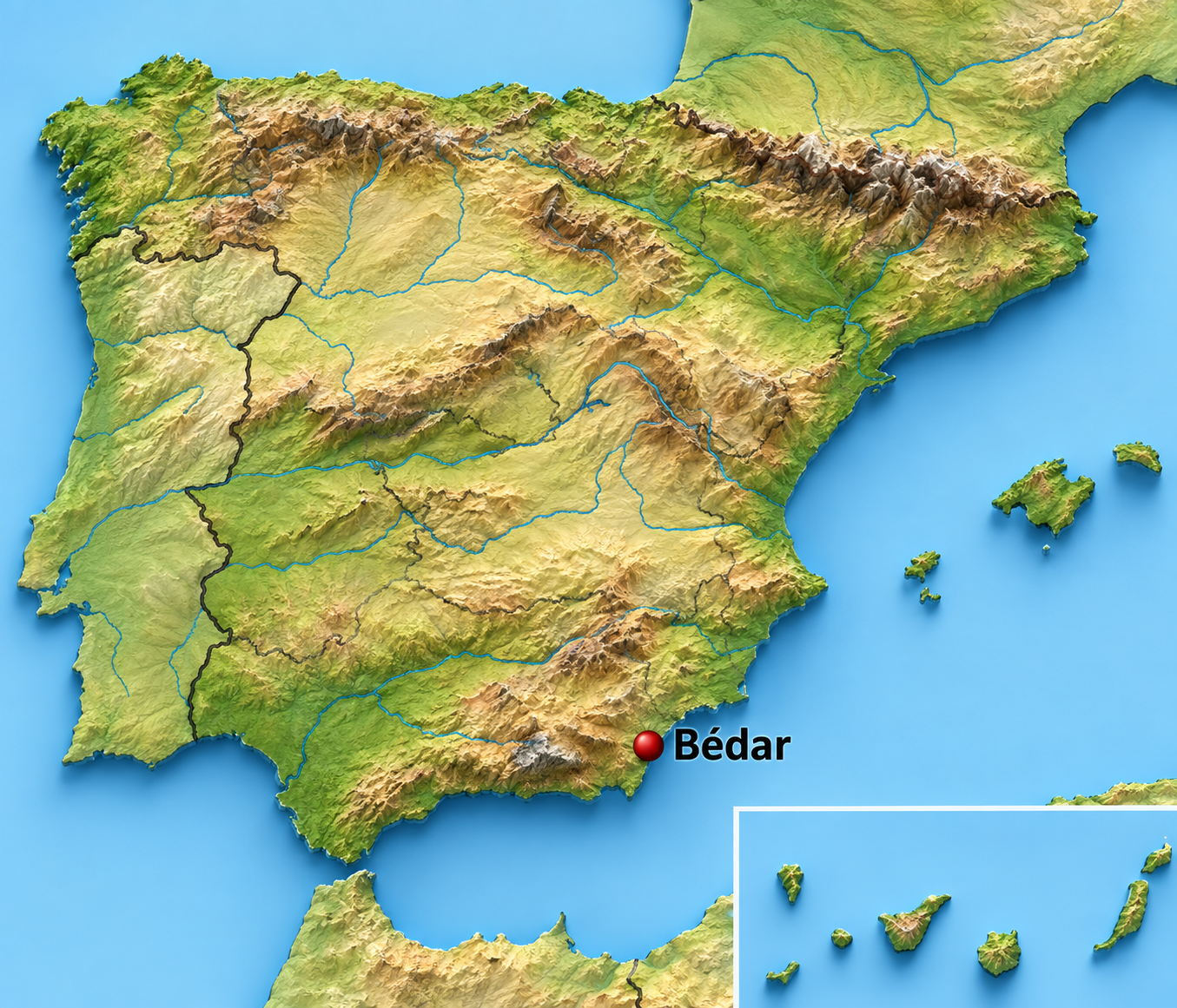
and the population so small — about 500 at the time — that people who got there were drawn by entropic attraction like self-assembling crystals.
A handful of English retirees lived on the southern edge of town, but on the northside, a small cluster of artists, writers, a musician, and a poet from, respectively, France, America, Columbia and New Zealand, resided on calle de la Virgen.
The cluster included Fritz, a larger-than-life, bearded American artist who painted in a biomorphic style. Fritz claimed to have been so beautiful as a youth he had his brother punch him in the face to break his nose. And that he’d eaten human flesh in the Amazon. A few doors down from Fritz’s house lived Mary, and Enrique Arias, a pianist, and their daughter Sonjia. Further along the track were Jean-Marc and Isabelle, both painters.
For five months, in the summer of 1985, my then-partner Amanda and I also lived on calle de la Virgen.
So it’s probably fair to say that, other than Ángel, an urbane, well-travelled local, Juan de Lola, and Alfredo the self-professed anarchist, most of the cluster were outsiders, one way or another.
‛Were we a group of artist-types?’ said Amanda in a recent email. ‛Yes, I think so. That’s why we were there. To live cheaply in a gorgeous place and have the time to follow our passions while the locals got on with the more essential business of working to put food on the table for their children.
‛I don’t think we contributed much to village life, like most ex-pats, we were ‘observers’. But on the other hand we didn’t have much of an effect on them. We had a light touch. I think they hardly noticed us. They were for the most part benign, a bit bemused.’
Amanda and I got got through a chance encounter at an Easter lunch with friends of Amanda’s godparents in Porthleven, Cornwall. One of the guests, Peter, was about return to Bédar to repair the house he’d bought several years earlier and hadn’t seen for some time. If Amanda and I joined him to help with repairs we could stay on, rent-free.
We backpacked through France and Spain and arrived in Bédar to find the house was in good condition. Peter later found out that, over the years, an English resident and village administrator maintained the house so they could rent it out to visitors. It was a legally questionable arrangement but since no one questioned it, or even knew about it, the arrangement kind of worked out for everyone.
Peter was joined by his just-married son and daughter-in-law so no beds were available at the house for us but Peter was sure something would be figured out at a gathering that night on Jean-Marc and Isabelle’s terrace.
At the soirée Alfredo the Anarchist told the newbies new streetlights had just been installed. People had complained the previous streetlights made their faces and arms look green so the lights were changed to regular sodium white.
Fritz recalled the time it snowed in Bédar. A local identity known as Pepe collected a pile of snow and asked him to store it in his refrigerator.
Fritz agreed to let us crash on a mattress on his floor for the night.
I awoke early to see a swallow dart by the open arched window. A man led a burro along the track below and in the room a bead curtain rattled in the warm breeze. The sky was sharp blue, the air soft. The light was much like that of my home town Gisborne where New Zealand’s hard-edged Pacific light is at its keenest. The antipode of Bédar, in fact, is only about 100 kilometres east of Gisborne. But while the Pacific laps at the port city of Gisborne’s doorstep, Bédar is tucked into the foothills of the Sierra de los Filabres, about 400 metres above sea level.
Since no repairs were needed for the house, Peter, his son-in-law and daughter left and the place was ours.
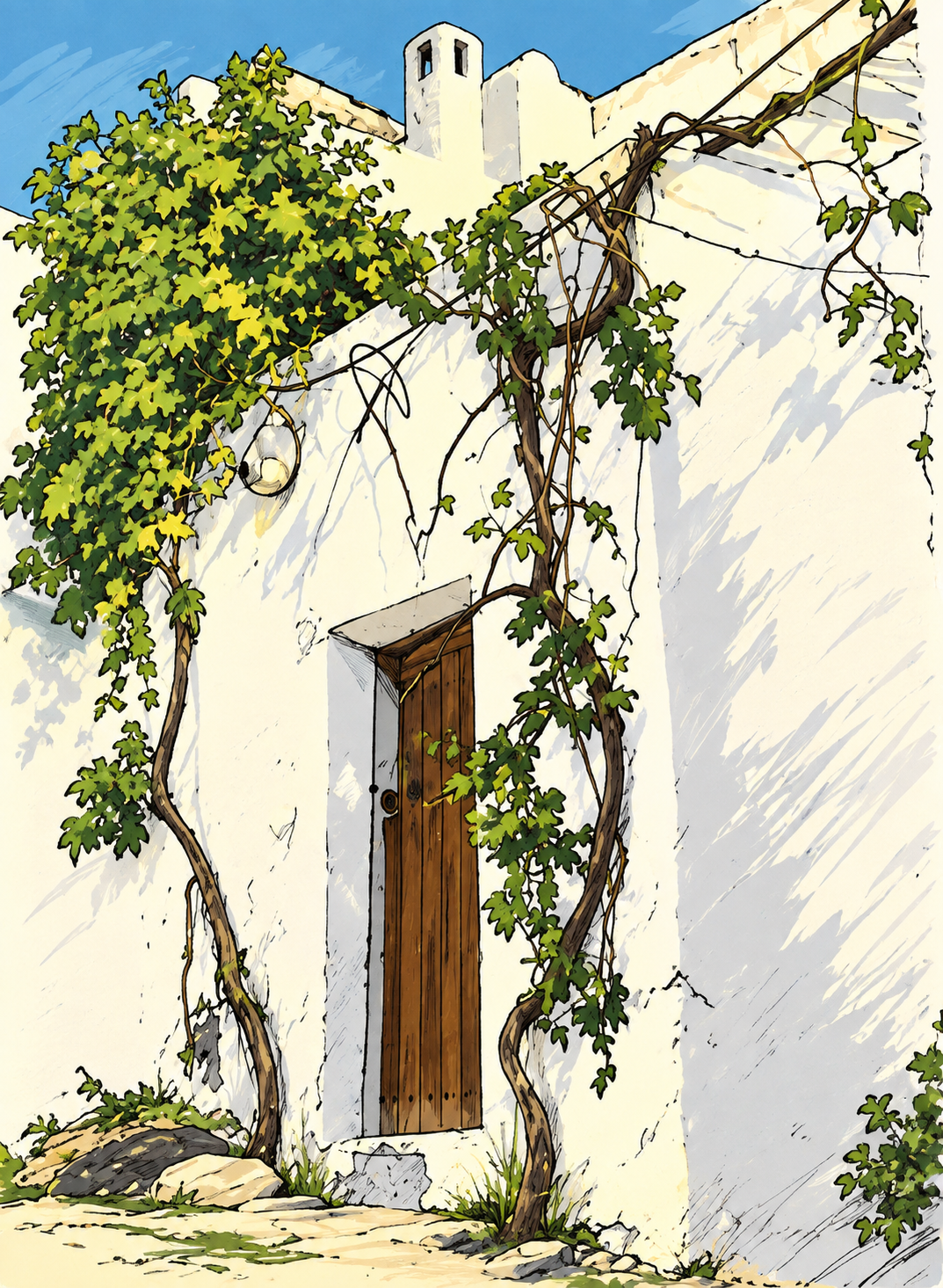
The white-washed casa was postcard rustic. A stable door flanked by scraggly vines opened onto the street.
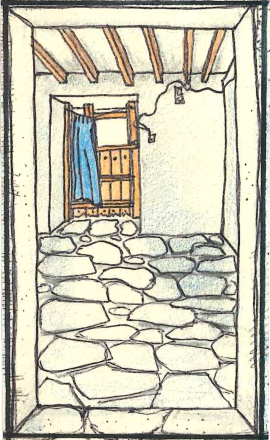
The interior walls were hand-plastered and lumpy, the floor laid with mica schist slabs.
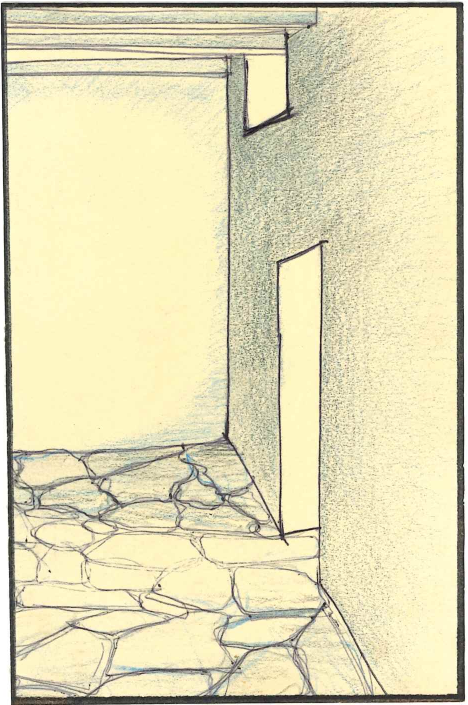
A cántaro, an earthenware pitcher, stood in one corner, another by the stairs.
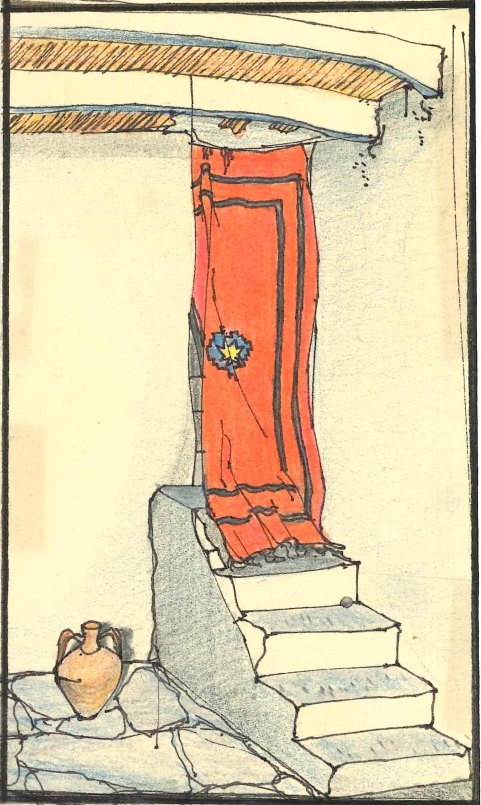
Upstairs was the bedroom.
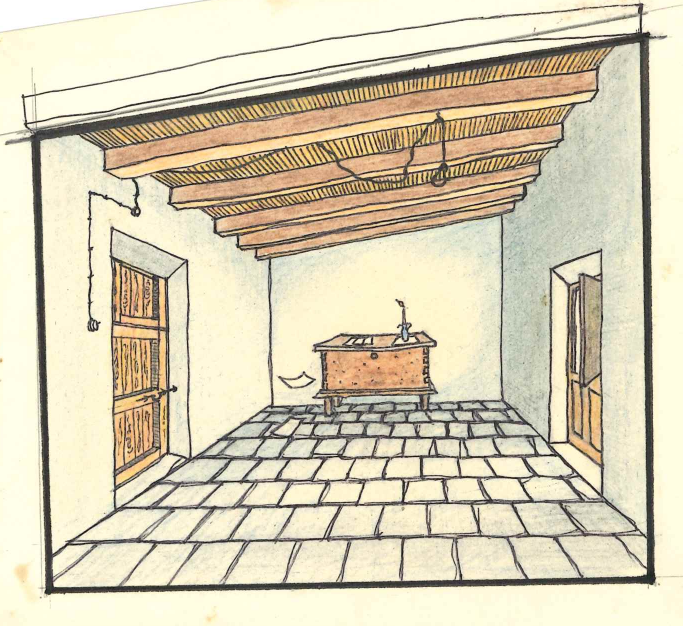
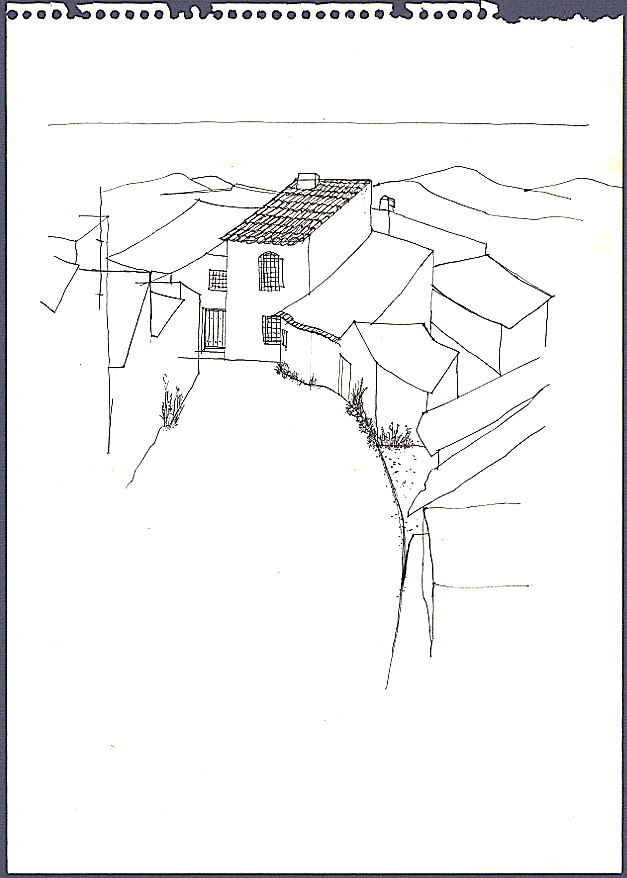
Off the bedroom, a small terrace looked over the path, terracotta tile roofs and the 16th century church, Iglesia de Santa Maria del Cabeza.
The toilet was in a tiny courtyard off the kitchen. Economical flushing was OK but soiled toilet paper had to be burned and for that we used the shell of a broken cántaro in the courtyard as an incinerator.
It was July when we arrived, and stinking hot so I wore only shorts when we took our gritty pot-boiled coffees out to the terrace on our first morning in the house.
Mary was passing by with Sonjia. She shaded her eyes and looked up.
‛Oh look,’ she said. ‛It’s just like Majorca when Robert was there.’
There was only one Robert on Majorca she could be referring to: Robert Graves – poet, mythographer and novelist.
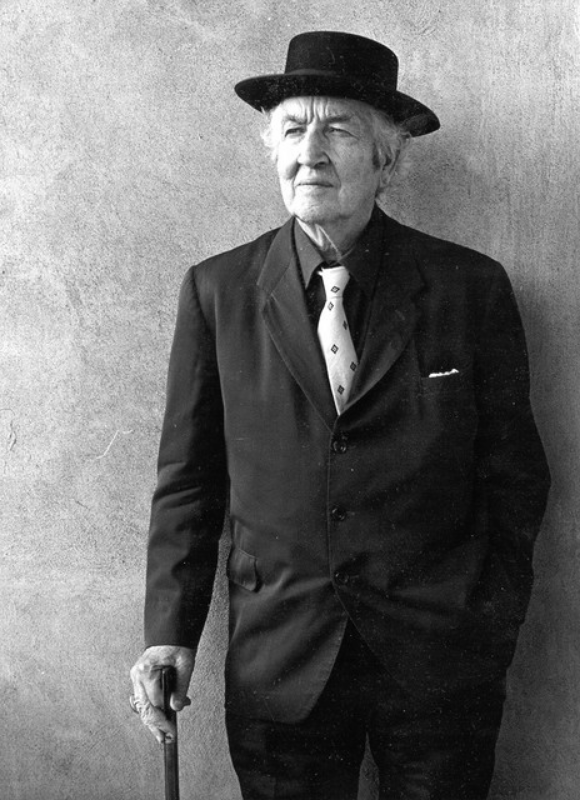
That was a lot to take in. I’d read Graves’ poetry at uni. In my mind he was a literary colossus. Badly wounded and shell-shocked from serving at the Somme in World War One, Graves found peace and torment in Deià, Majorca, when the rural island was yet untouched by mass tourism. The poet with the antique profile was an eccentric visionary, the magus of Majorca, as Anthony Burgess (A Clockwork Orange) described him. Graves was a supplicant to the White Goddess, an ancient uber-muse who, he posited, was the font of poetic inspiration.
By the 1950s Graves’ international reputation as a poet, novelist, literary scholar and translator coincided with Majorca’s boom as a luxury destination. His home attracted movie stars such as Ava Gardner and Alec Guinness, literary figures like Gabriel García Márquez; academics, artists and musicians. Enrique Arias was possibly among them. But in the 1960s, dope-smoking beatniks, rock musicians and scantily clad hippies gravitated to Deia. Graves, the accidental counter-culture icon, didn’t much approve of their louche ways or their intellectual flabbiness.
So it was probably the sight of two fresh-faced New Zealanders, one in a straw hat, the other in PE shorts, standing on a terrace in the mountain village of Bédar that reminded Mary that morning of Majorca when Robert was there.
Mary invited us to her home where her husband rested on recliner. He apologised for not getting to his feet to greet us but lifted a languid hand to shake. He had just completed a concert tour and was exhausted.
We learned Enrique was an international concert pianist from Columbia. During his career he had performed across North and South America, Europe (including France, Spain and Scandinavia) and Columbia.
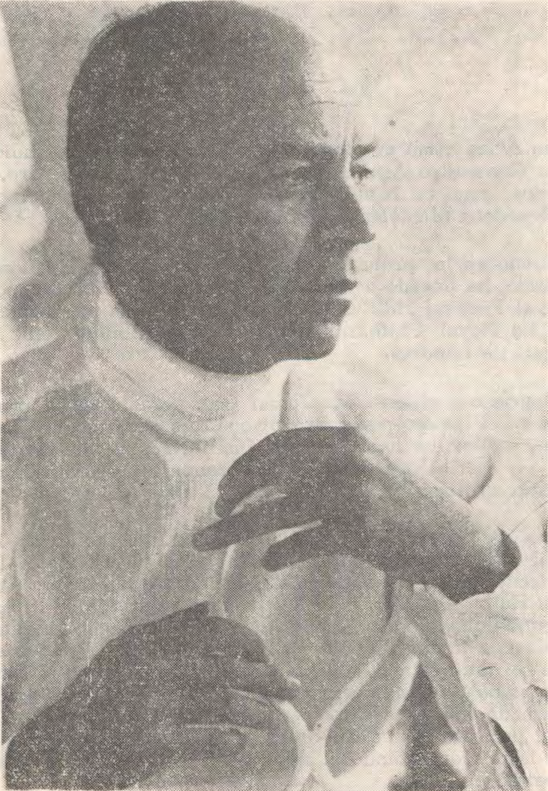
While living in London, he performed in a single season at the Royal Festival Hall with the city’s top three orchestras: the Philharmonia, the Royal Philharmonic, and the London Philharmonic. In Hungary, he was selected by József Gát to make a recording on Beethoven’s original Broadwood piano housed in the National Museum of Budapest.
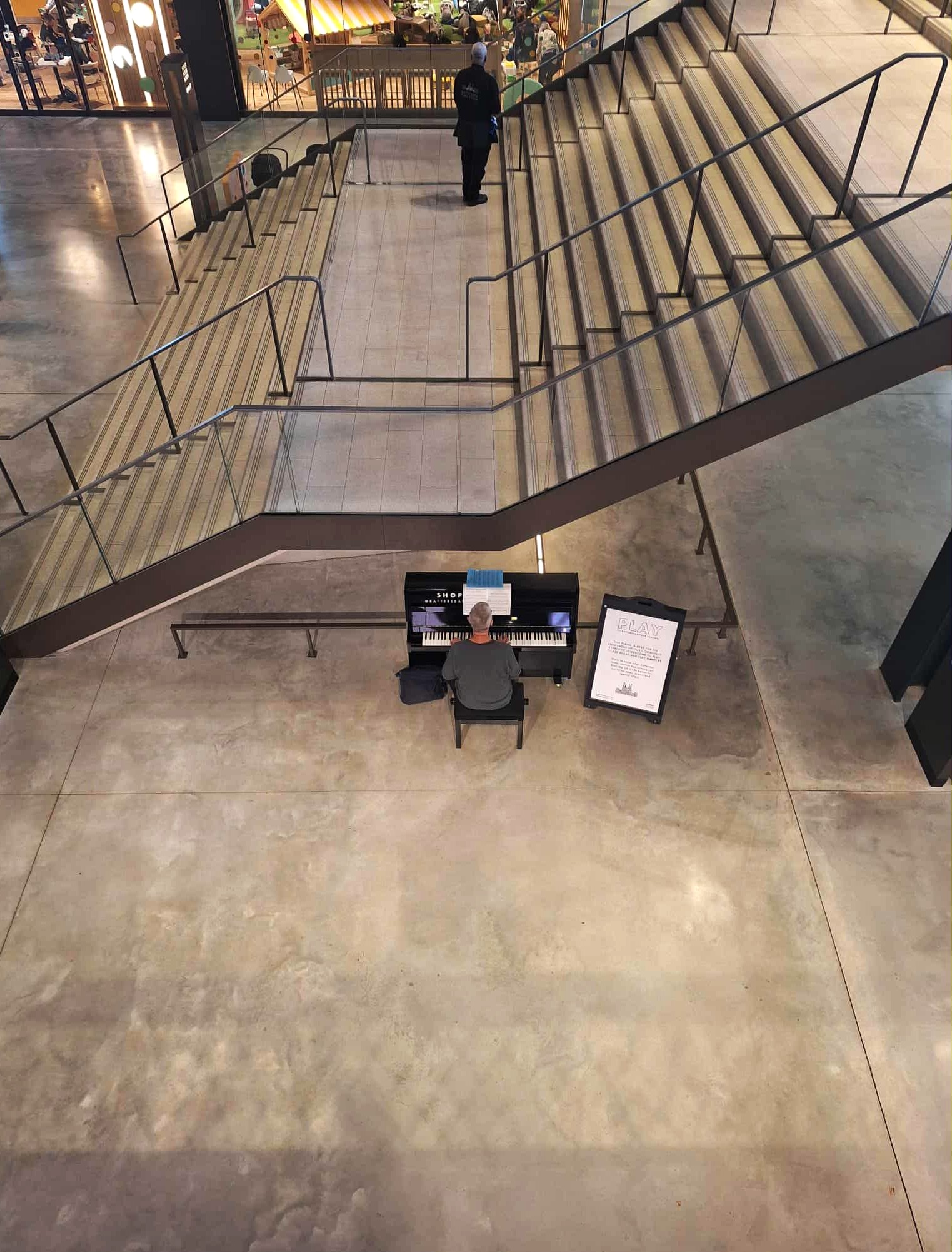
During the day in Bédar, he could be heard practising pieces by Chopin, often one passage over and over, from anywhere in the village. The music cascaded through the pueblo’s winding, cobbled streets.
In the early 1960s, when the coastal village of Mojácar, 18 kilometres from Bédar, was not the well-populated, vibrant town it is now, but an impoverished village with ruined houses and no infrastructure, a ghost town on the brink of total collapse, the mayor of Mojácar, Jacinto Alarcón, offered abandoned houses, ruins and land free to anyone willing to restore the properties and settle in the town. He encouraged artists, intellectuals, and foreigners to make Mojácar their home.
Enrique built El Mirador del Castillo, an elegant, white cuboid building with a fortress aesthetic, on the site of a 13th century watchtower and citadel.
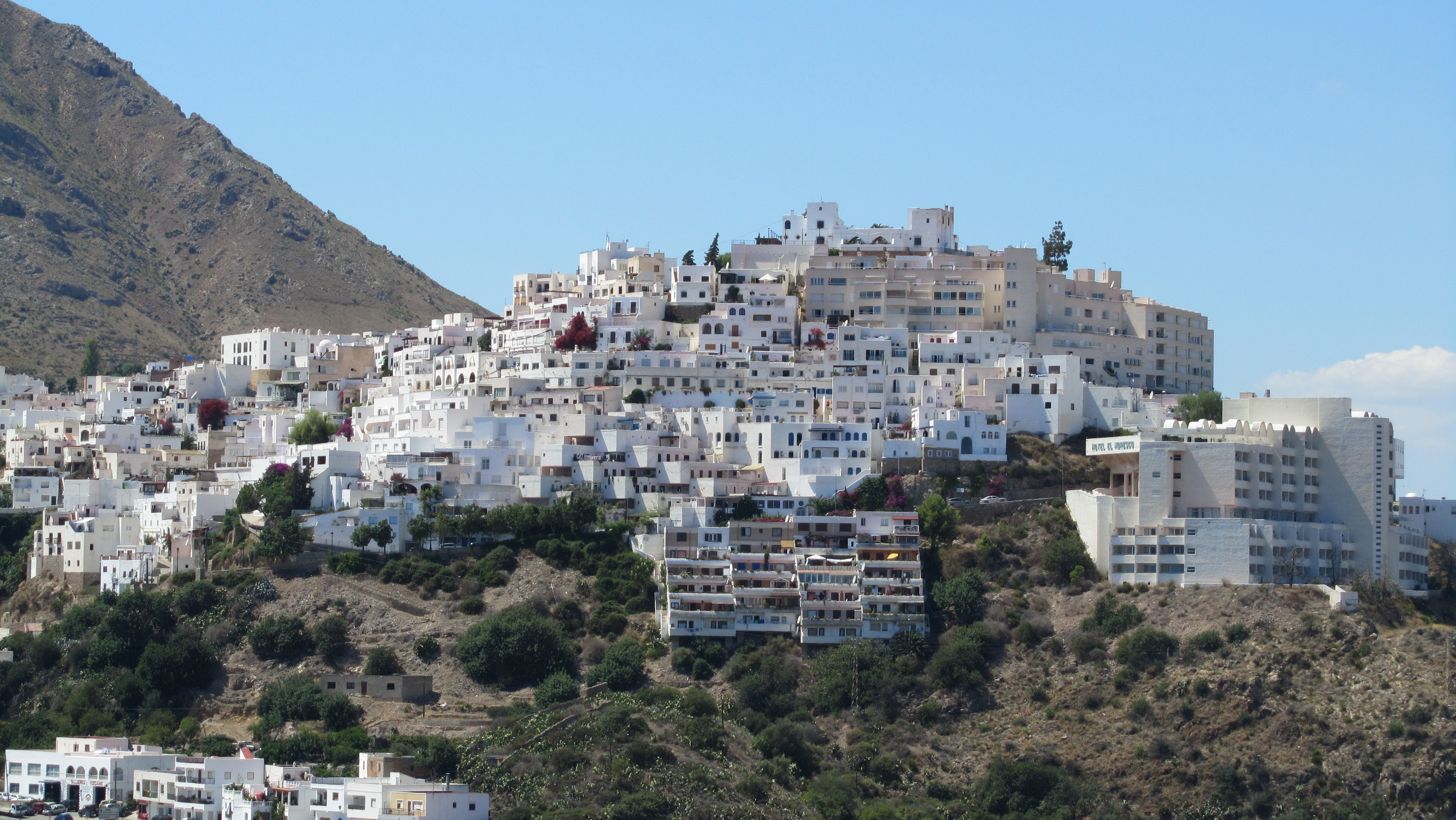
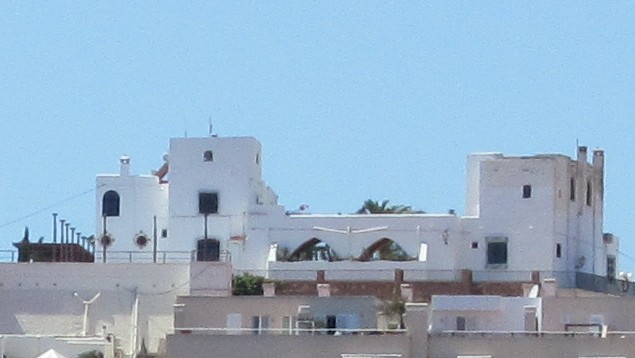
With an auditorium to host international music festivals, Enrique’s El Mirador del Castillo was surely the jewel in Mojácar’s crown.
‛[Enrique] organised concerts in the garden for his friends from far and near,’ notes a post on a Mojácar Facebook page. ‛His was the spark that turned the village around.’
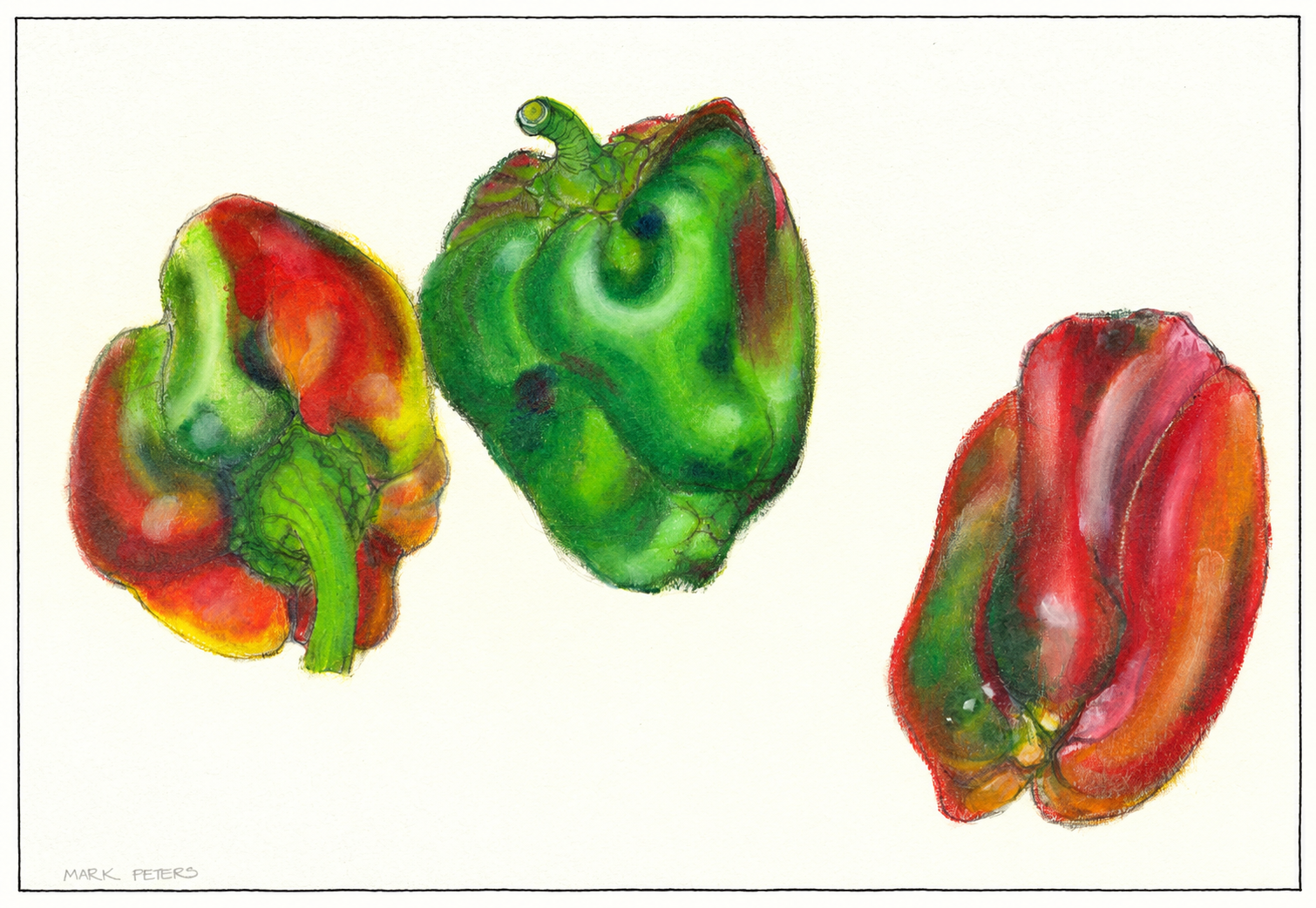
In Bédar, a tabac run by Simón sold most of what we needed – garbanzos (chickpeas), alubias pintas (speckled beans) and alubia riñón (white kidney beans); bread, rough red wine, olives, tomatoes, capsicums, garlic, chorizo, cheeses and almonds.
From Simón’s tabac we also bought barley flour for pancakes and wheat bran for hardy porridge. Wheat bran wasn’t commonly used for porridge in Bédar. A trio of women at the tabac clucked their surprise at our purchase of chicken feed. Did we keep pollo?
Yes, Amanda assured las ancianas. Yes we did.
We didn’t.
After the bare feet, the cactus fruit, then the lavadero business, to tell the old ladies chicken mash made great porridge, plenty of fibre, good for the bowels, would be a bridge too far.
I had already encountered the women when I’d visited Simon’s tabac in shorts and bare feet (it’s a New Zealand thing).
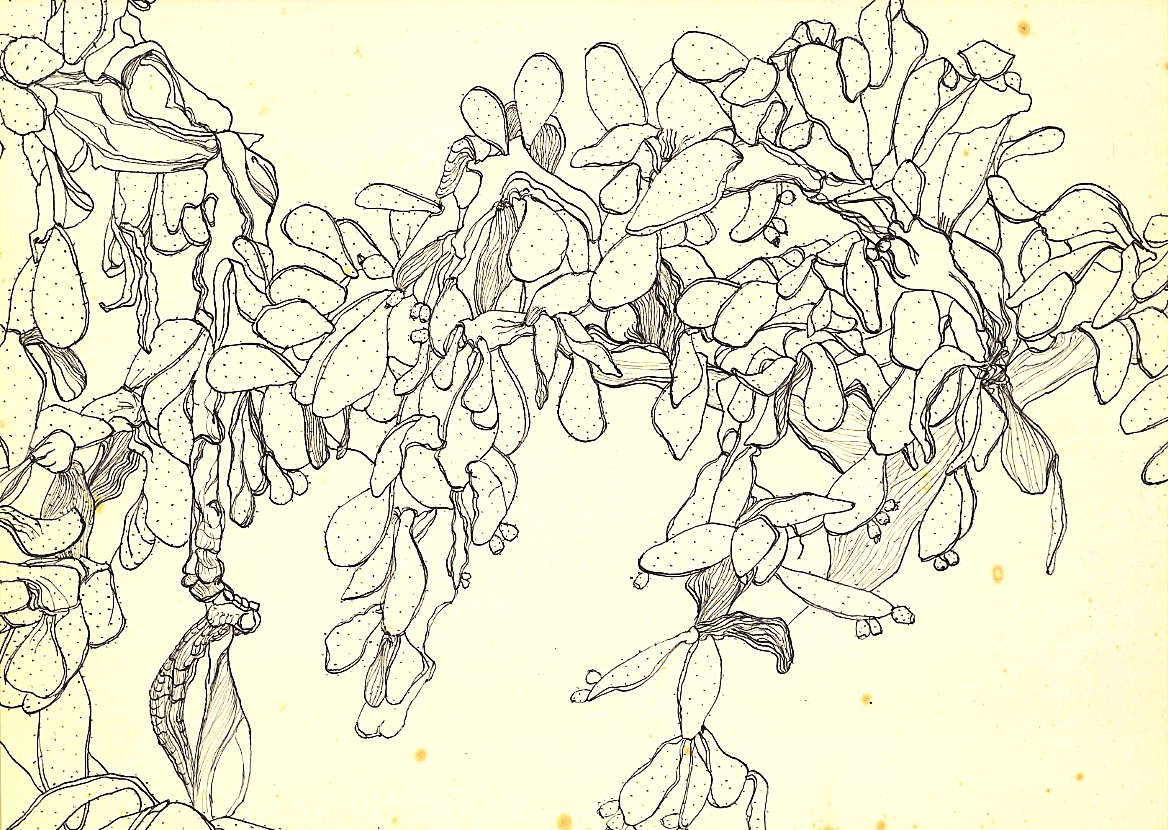
‛I remember the toothless black-clad ancient women of the village pointing at your bare feet in disbelief as if we were embarrassing the village – too poor for shoes?’ says Amanda. ‛They were like this when we picked chumbos [paddle cactus fruit] to eat.’
I encountered them again at the lavadero when Amanda and I carried our laundry to the stone tubs. The old ladies turned up and cackled at the sight of the shirtless gringo in shorts, wringing out a sheet.
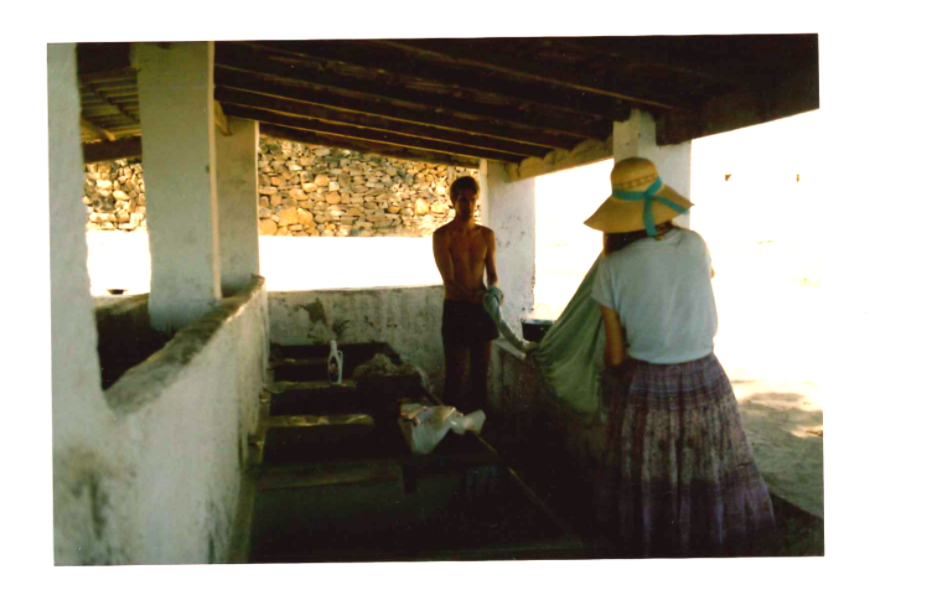
So to tell las viejas the chicken feed made robust porridge, well, they couldn’t have been any more bemused if I’d asked Simón if he had some snow in the freezer.
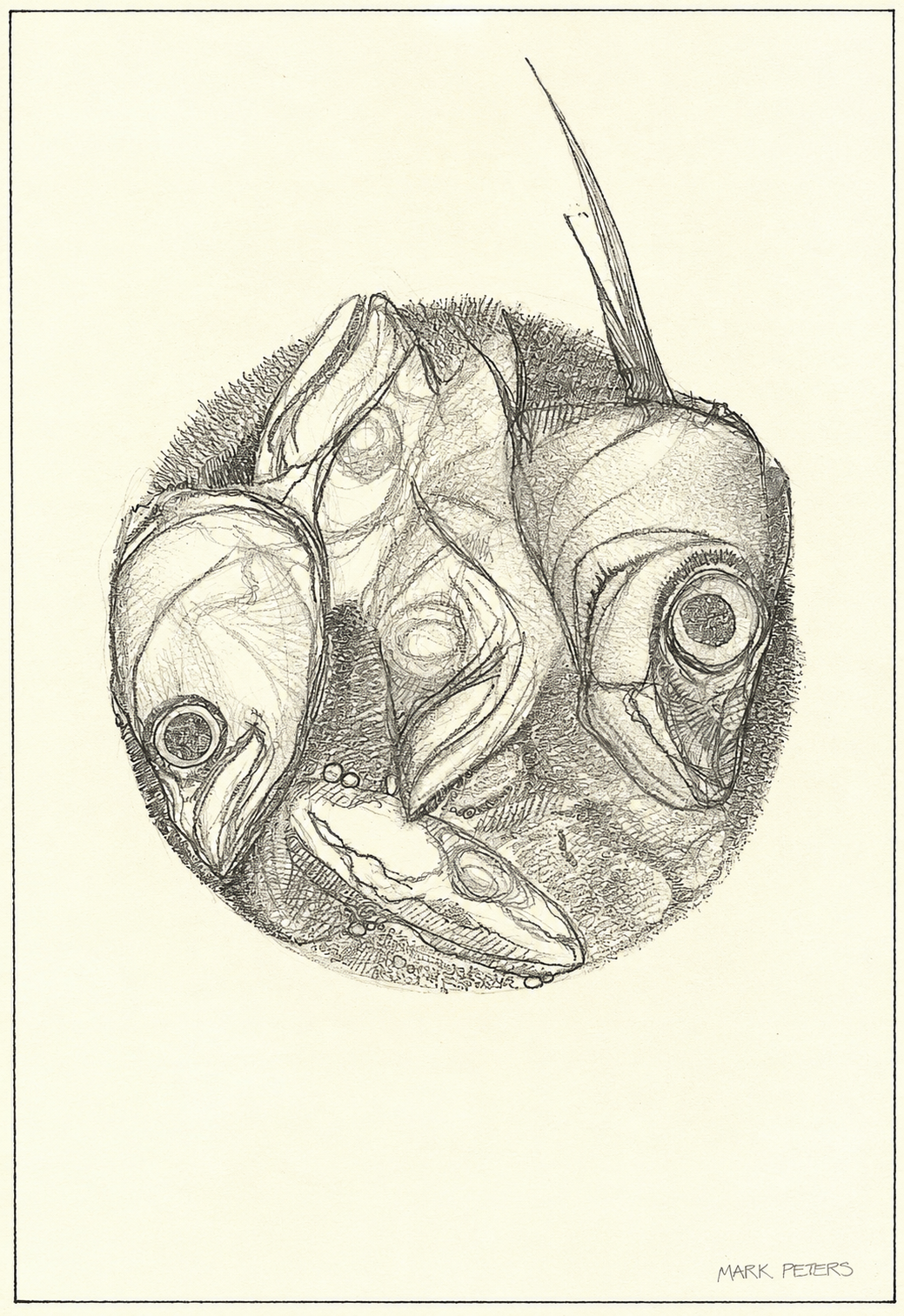
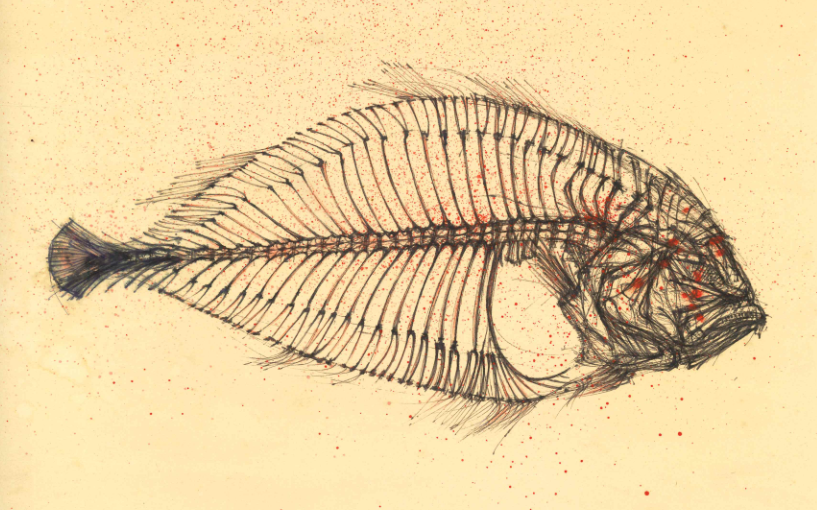
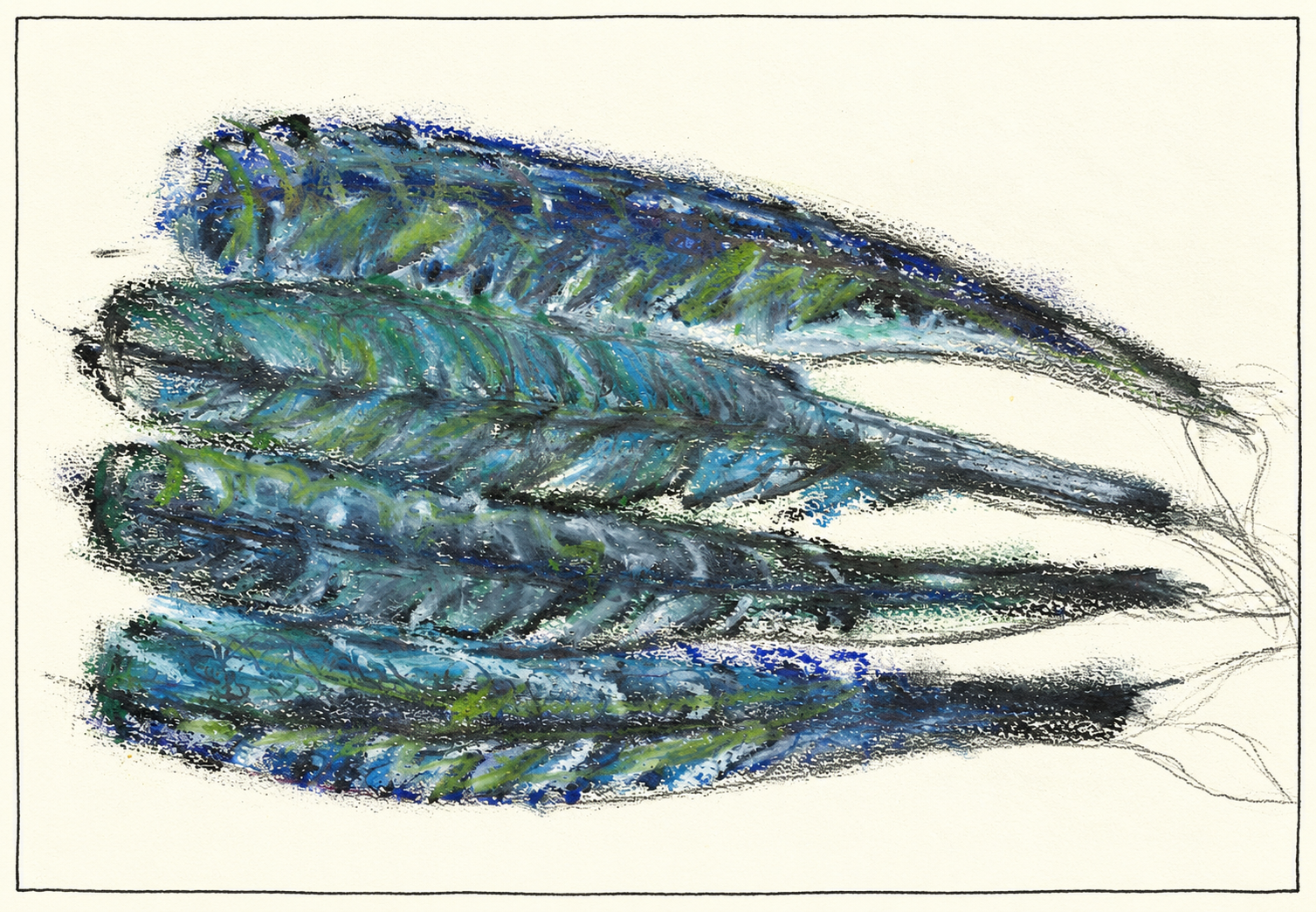
On Tuesdays, a pescadero drove his white van to the village and parked in the plaza. Fish fresh from Garrucha were chilled in a tray of ice in the back of the van. We bought sardines,
flounder
and mackerel.
Amanda came up with the idea we take turns cooking dinner and whoever made dinner made lunch the following day. Breakfast was more arbitrary and mostly chicken bran porridge or barley flour pancakes accompanied by muddy coffee boiled in a tin pot.
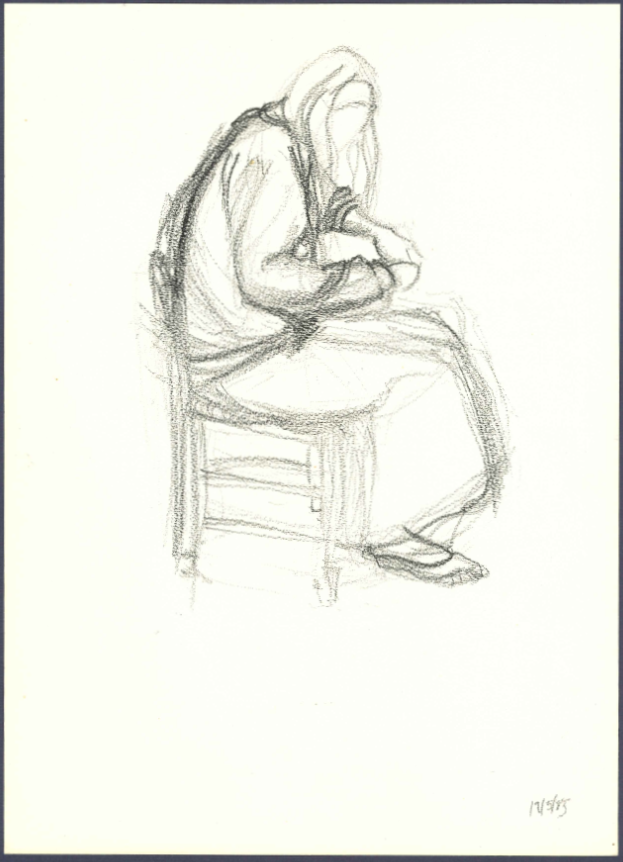
For dinner, with plenty left over for lunch, I mostly made a rich, slow-cooked stew of speckled beans, white beans and chickpeas; red wine, onions, capsicums, tomatoes chorizo, garlic, rosemary and thyme. We learned the hard way that bean-sized stones appeared among the beans. Bite on a stone from a bowl of bean stew and the world stopped turning for a minute or so. The solution was to tip a bag of beans onto the wooden table, separate the heap into two piles, parse every bean and remove every stone. Because the dusty beans and stones looked much the same we checked twice by swapping places and inspecting every bean again.
The process was labour intensive, and it wasn’t foolproof, but worked. Mostly worked.
Bean stew was best served with red wine and torn hunks of bread for dunking. The wine was rough. To drink it, people often added water. The red wine turns your shit black, said Fritz. And that it did. Bédar was in a historic mineral mining area – maybe the terroir had something to do with it. Along with the bowel cleansing porridge and stone stew, we got plenty of iron.
Mary and Sonia were out of town one evening so we invited Enrique to dinner. I served up bowls of bean stew, bread and ferrous wine. Enrique tucked in and asked for a second bowl.
Now, a couple of weeks earlier, when he’d driven us to Malaga to see him play works by Chopin at solo concert there, I was surprised to find the soft moaning during the recital was coming from Enrique, he was that engaged with the music. I believe he lowed in a similar fashion over the bean stew. Then he fell silent, the world stopped turning for a few moments.
He had hit a bit of gravel.
Amanda was aghast. I’d cooked the international concert pianist bean stew with a stone in it.
Enrique took it well. I’m pretty sure he finished his bowl, but with care and not so much crooning.
Mary even later invited us to a birthday celebration.
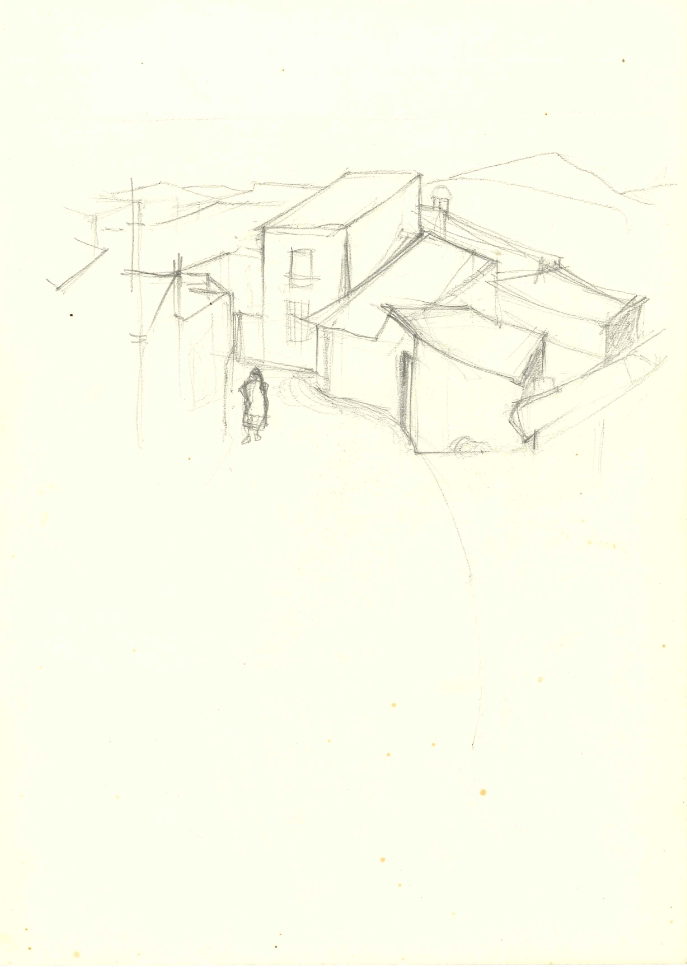
For the occasion, I drew the view from our terrace of the village in pen and coloured pencils, made a birthday card out of it and gave it to Mary.
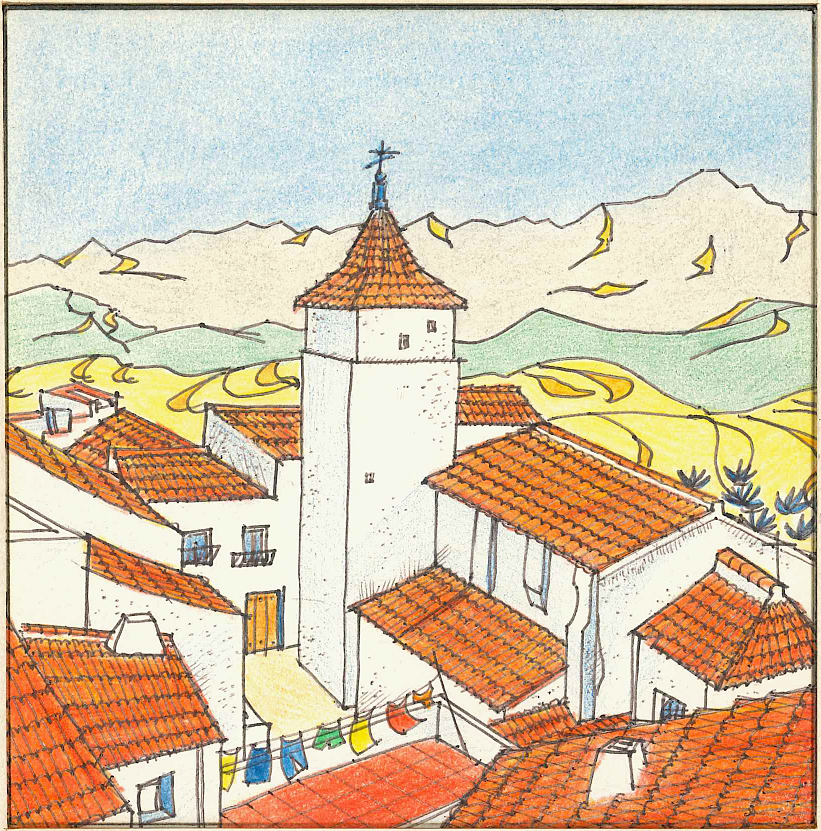
Jean-Marc approved of the drawing and offered me his upcoming exhibition slot in Mojácar. He had sold all of his work in a recent show and had nothing more to present so the venue was mine.
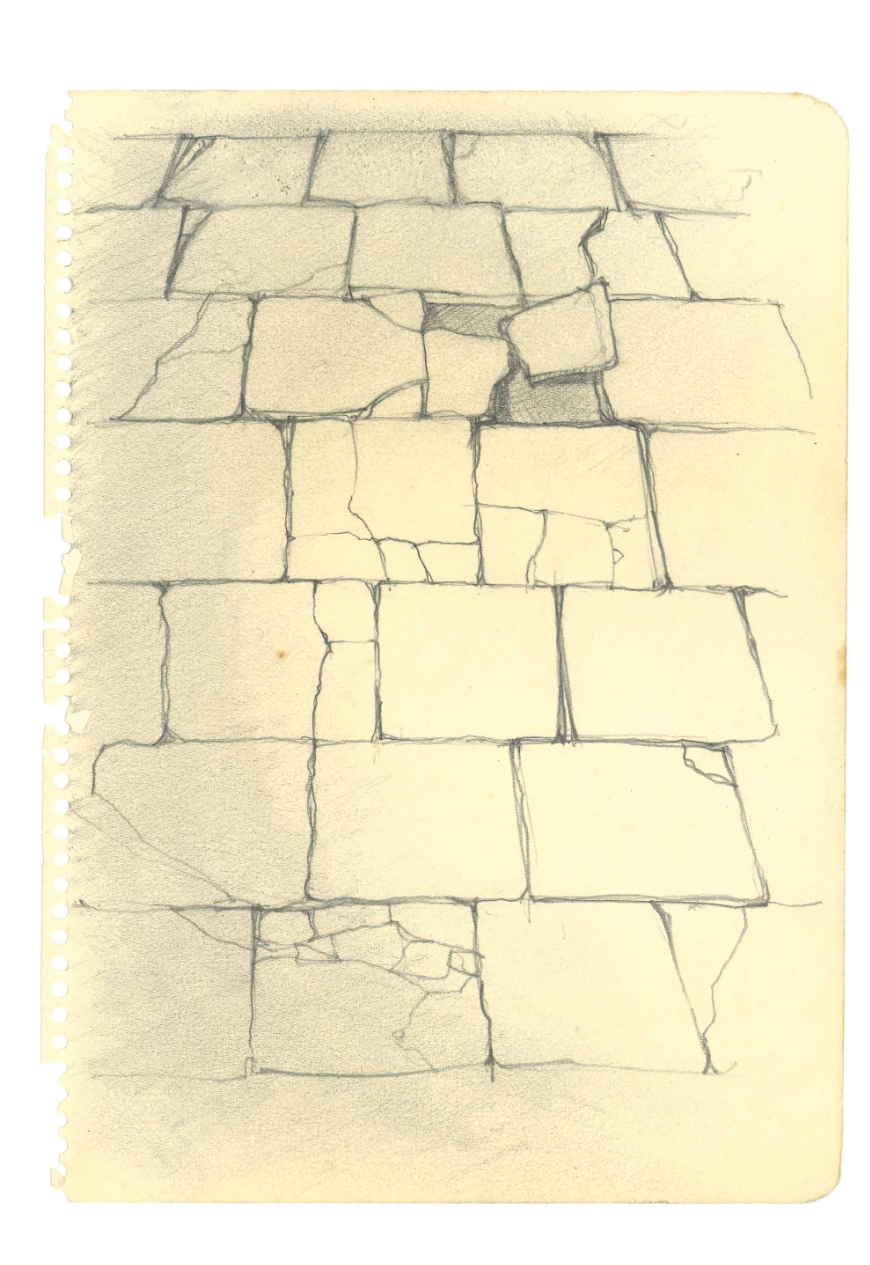
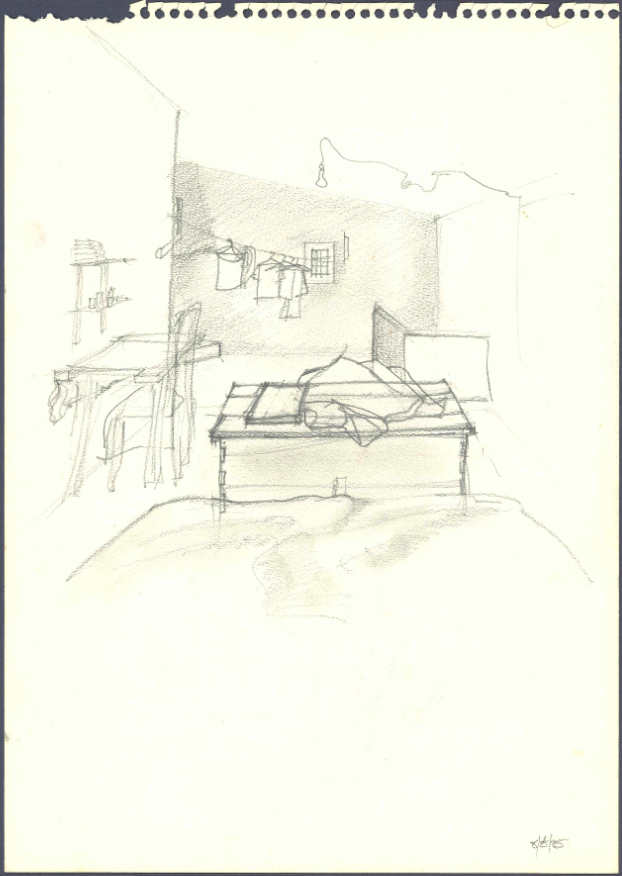
To have 12 drawings completed, backed and matted, by the allotted time I needed to produce 2.5 drawings a week. I left the house at sunrise each morning,
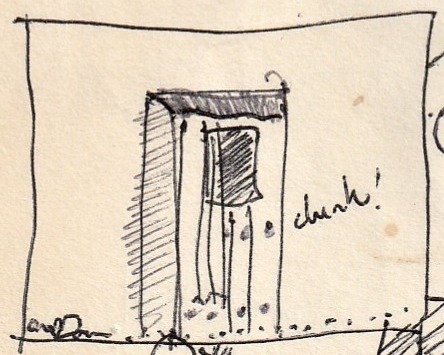
walked around until I found something to draw and had at it.
Some subjects, like the threshing floor, the era de trilla, a circular platform of stone slabs once used for winnowing grain by sifting it with a threshing sledge pulled by working animals, presented a challenging ellipse.
The era and the ruin beside it needed repeat visits to make preparatory sketches.
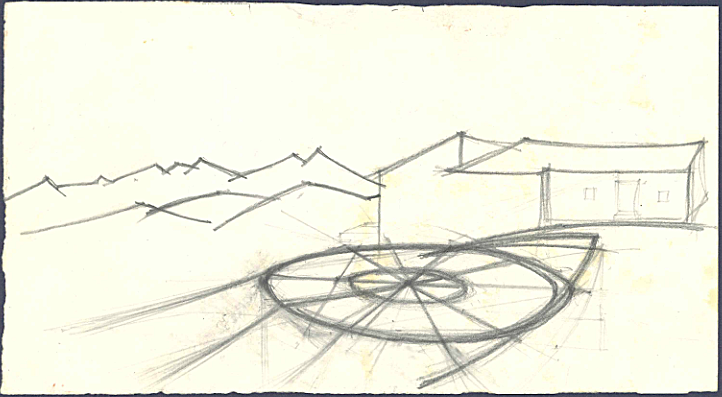
Along with the village’s maze of narrow, winding cobbled streets, terraced slopes and irrigation systems, the threshing floor was part of Bédar’s architectural footprint that dates back to the Moorish occupation of Andalusia for seven centuries from 711 CE. Although the occupation ended in 1492, Bédar’s Moorish community was given religious freedom and stayed on, but after an uprising by the Moriscos (Muslims forced to convert to Christianity), coexistence ended quickly. The Moors of Bédar were expelled in 1568.
I gave the finished drawing of the threshing floor to a couple Amanda had met. Ursula and David had lived in Morocco for many years where David was an anthropologist. Now retired, they lived just outside Mojácar.
I kept the preparatory sketches though.
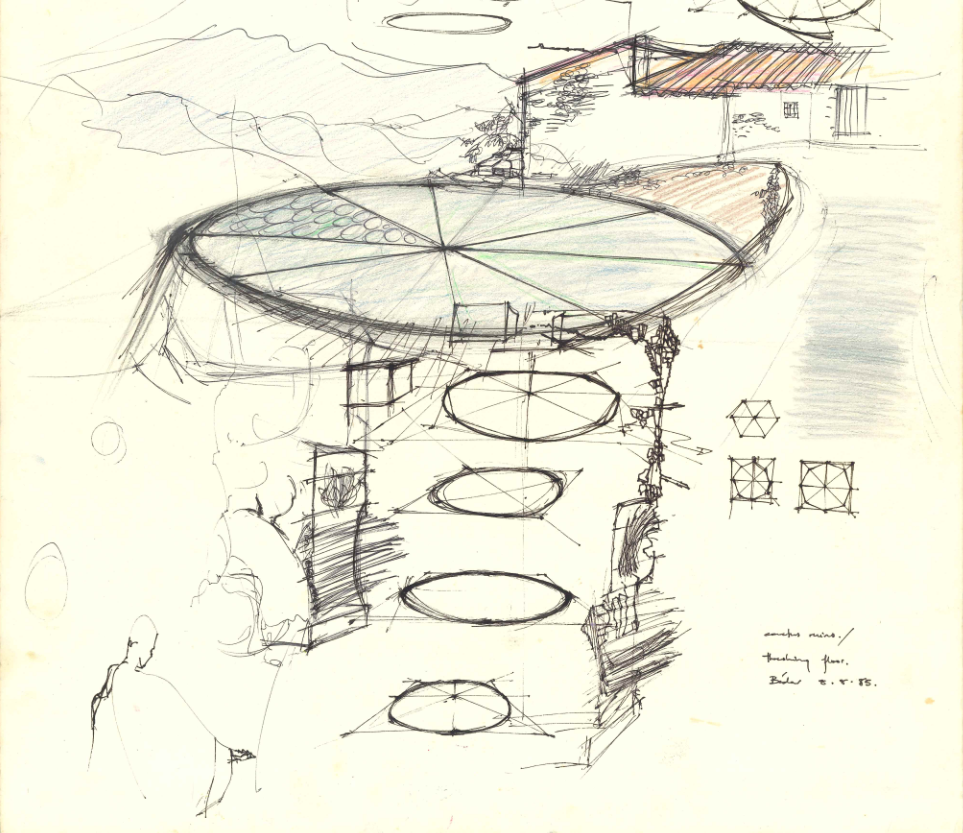
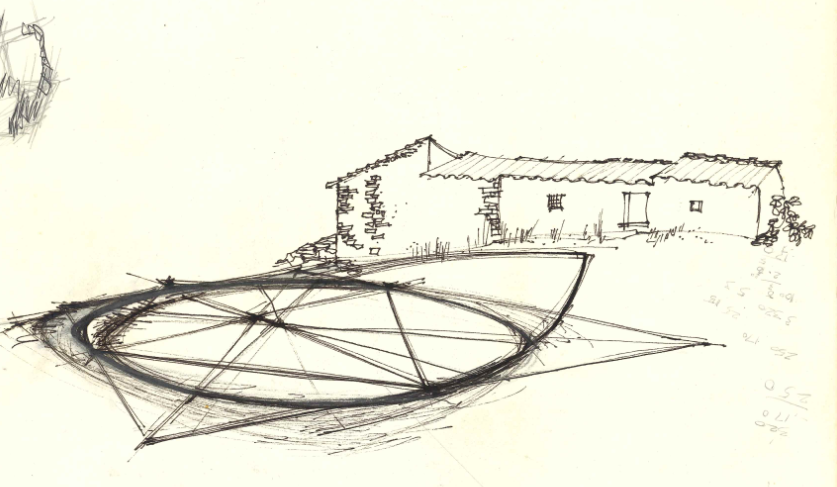
In the heat of summer, the mountainside above the village smelled of scorched lavender. Among the rocks was a ruin of what looked like a redoubt or watchtower presumably built there because of its high vantage point with views of the plains below. Bédar is a Moorish word that means awake, alert, watchful or vigilant, so the structure might well have been a ruin from the time of Moorish occupation. Or it might have been built to keep an eye out in case they came back. I regret not making a sketch of it. Instead, I mostly drew local scenes I thought tourists might like.
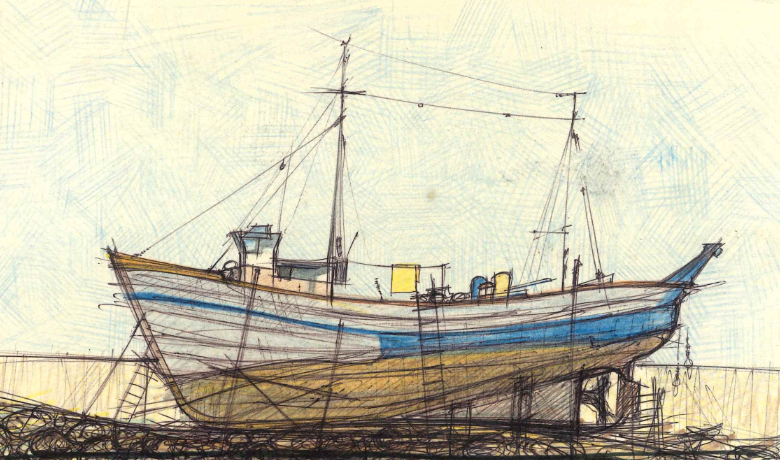
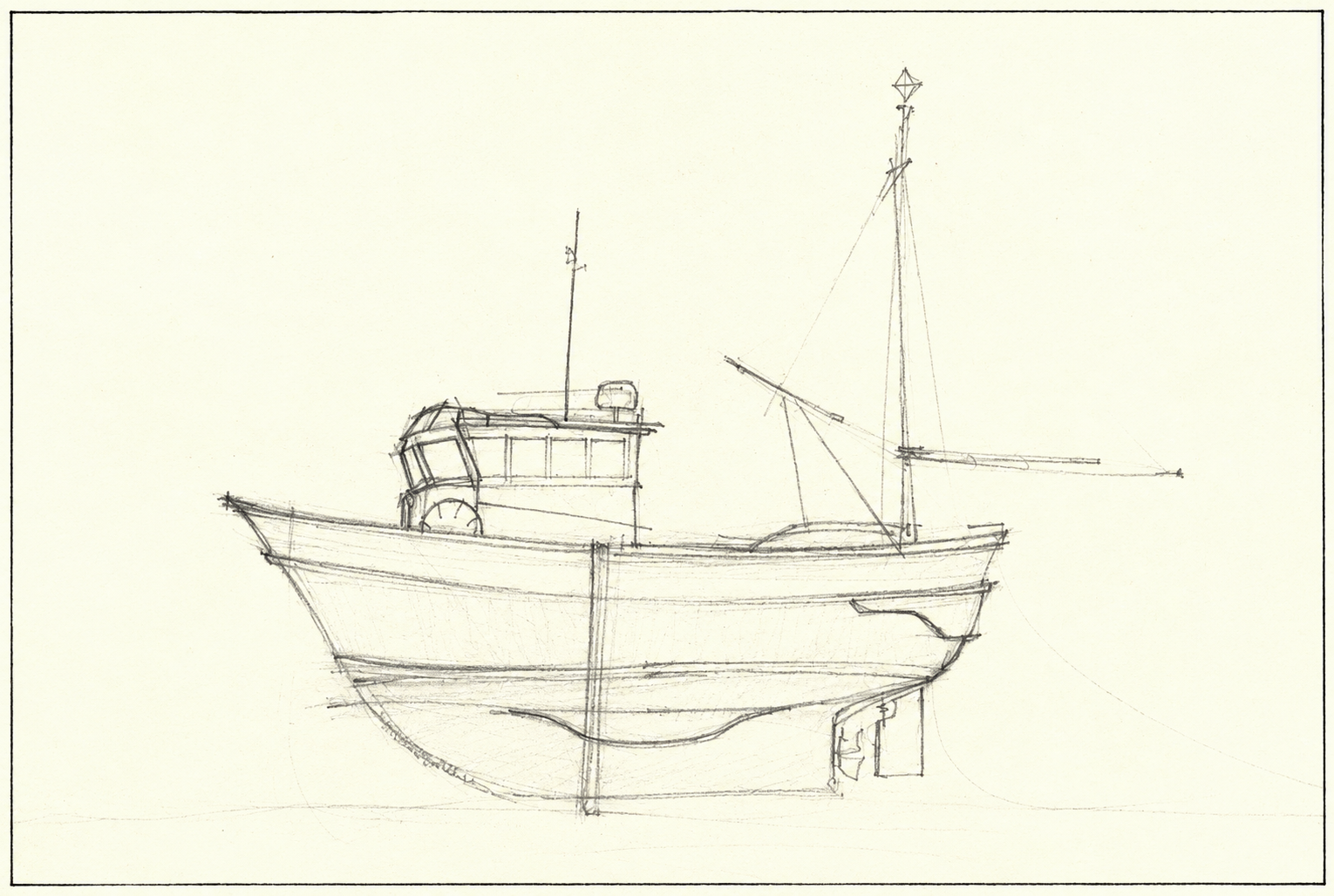
During a visit to the port town of Garrucha I made drawings of fishing boats.
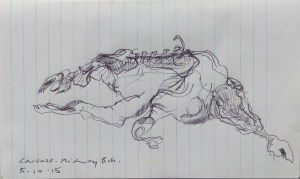
A dead crab.
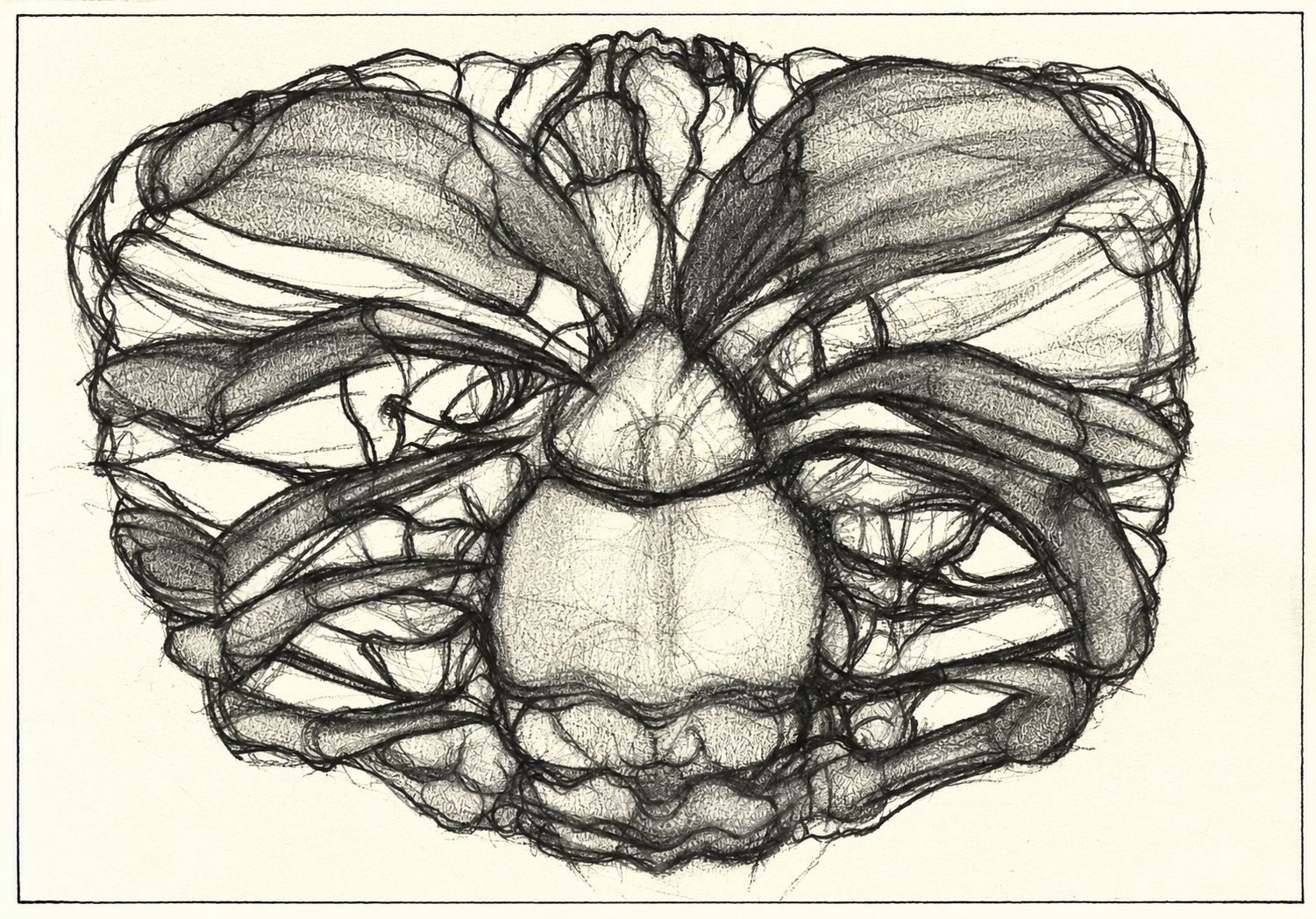
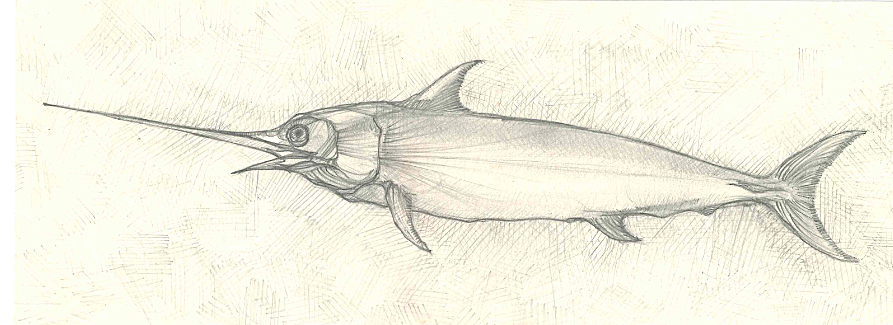
A swordfish.
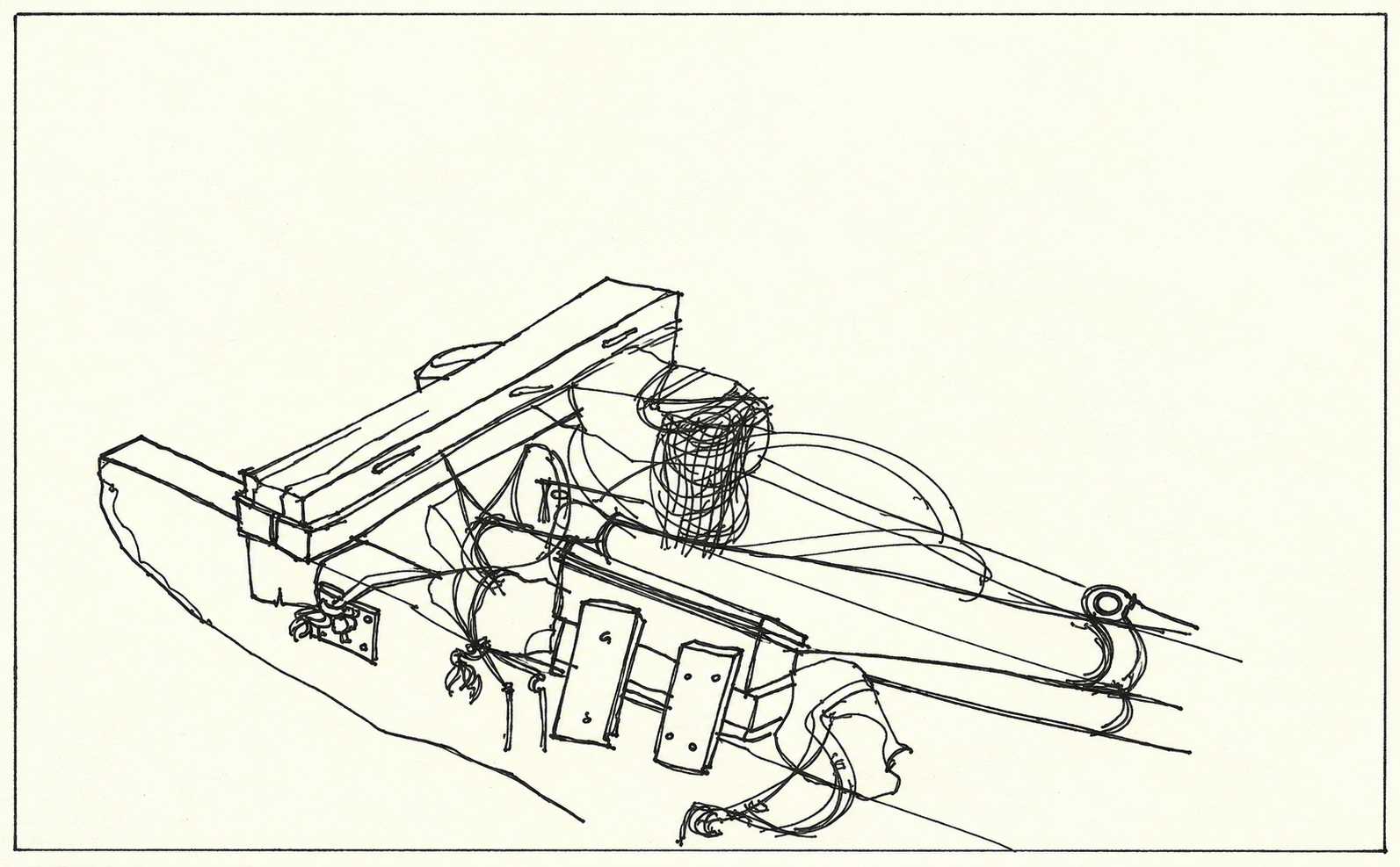
A kontiki.
Another fishing boat…
and a drawing of a self-supporting, timber scaffold in a boat building workshop.
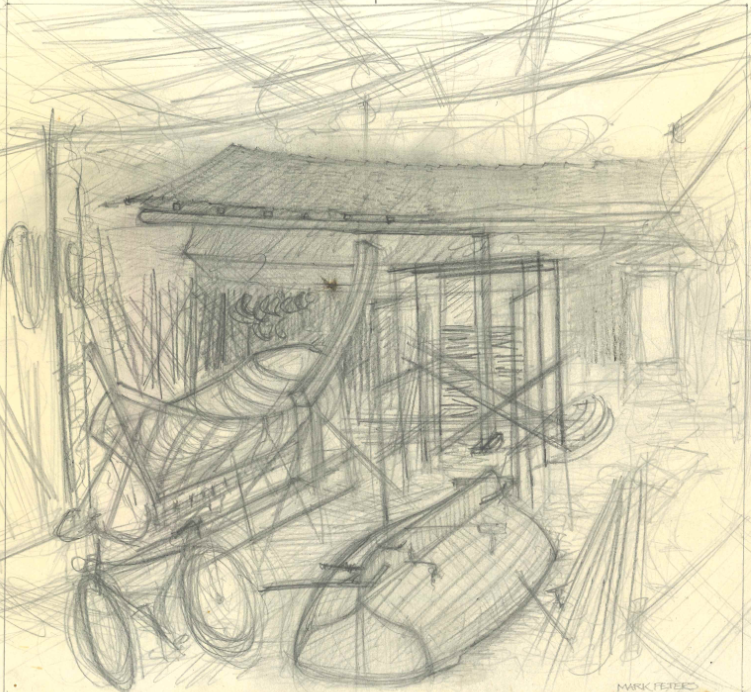
I’d just finished drawing when the scaffold collapsed. The boat builders appeared, saw the wreckage and laughed. They looked at my sketch and laughed some more. I laughed with them, for we even though we couldn’t understand each other I believe we shared the same bemusement at the absurdity of human endeavour.
Some sketches, like the kontiki, fishing boats, and the swordfish were just for practice and not for the show.
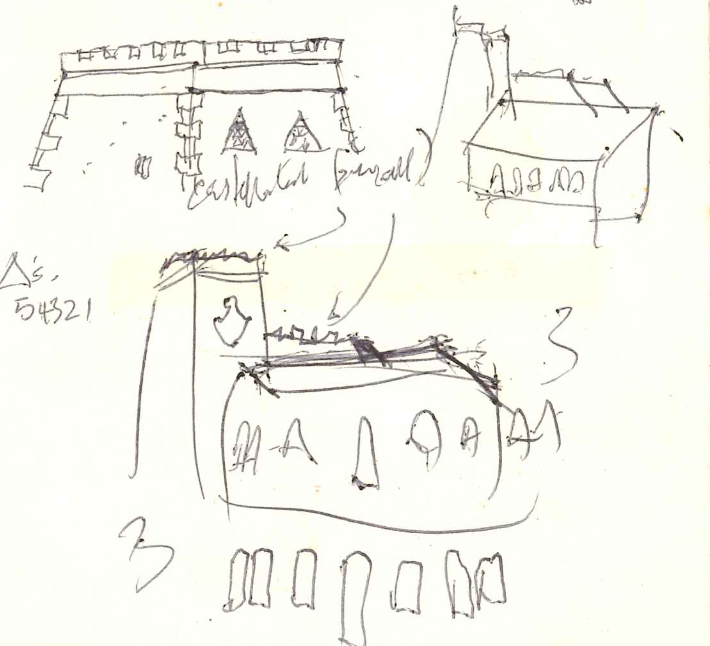
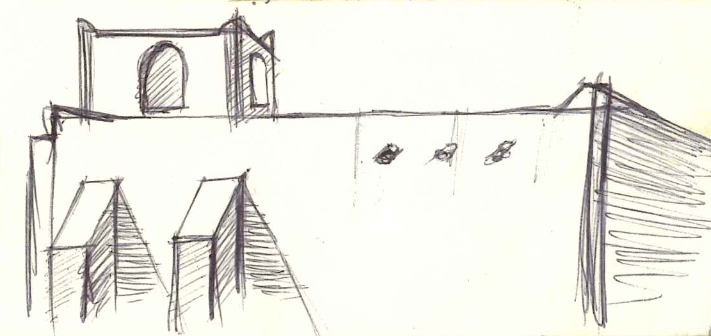
One scene I sketched on the fly from the terrace was of a religious procession led by a brass band and their deaf conductor.
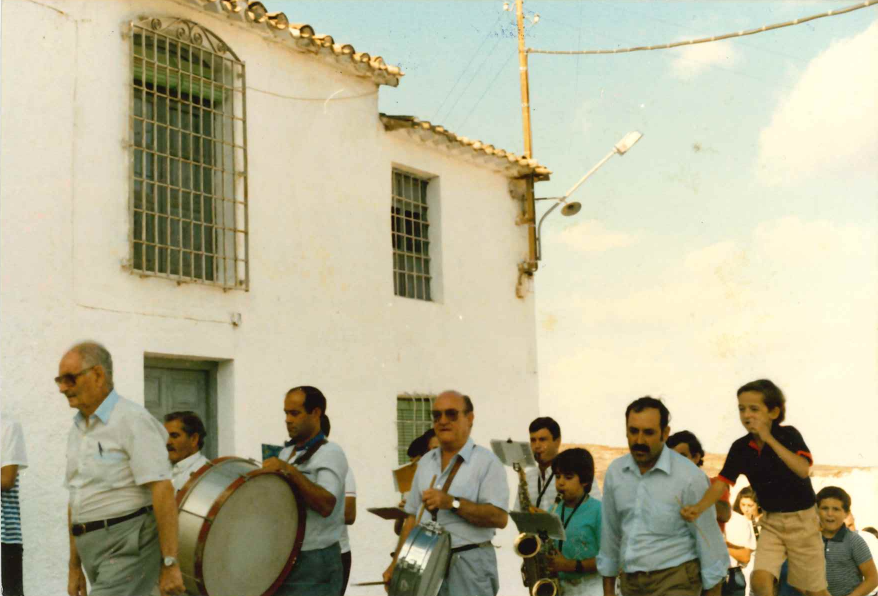
Led by the band the procession wound through the streets up to the car park under the wall of Bédar’s old iglesia. People carried banners and men shouldered a raft on which rode a statuette of Santa Maria del Cabeza.
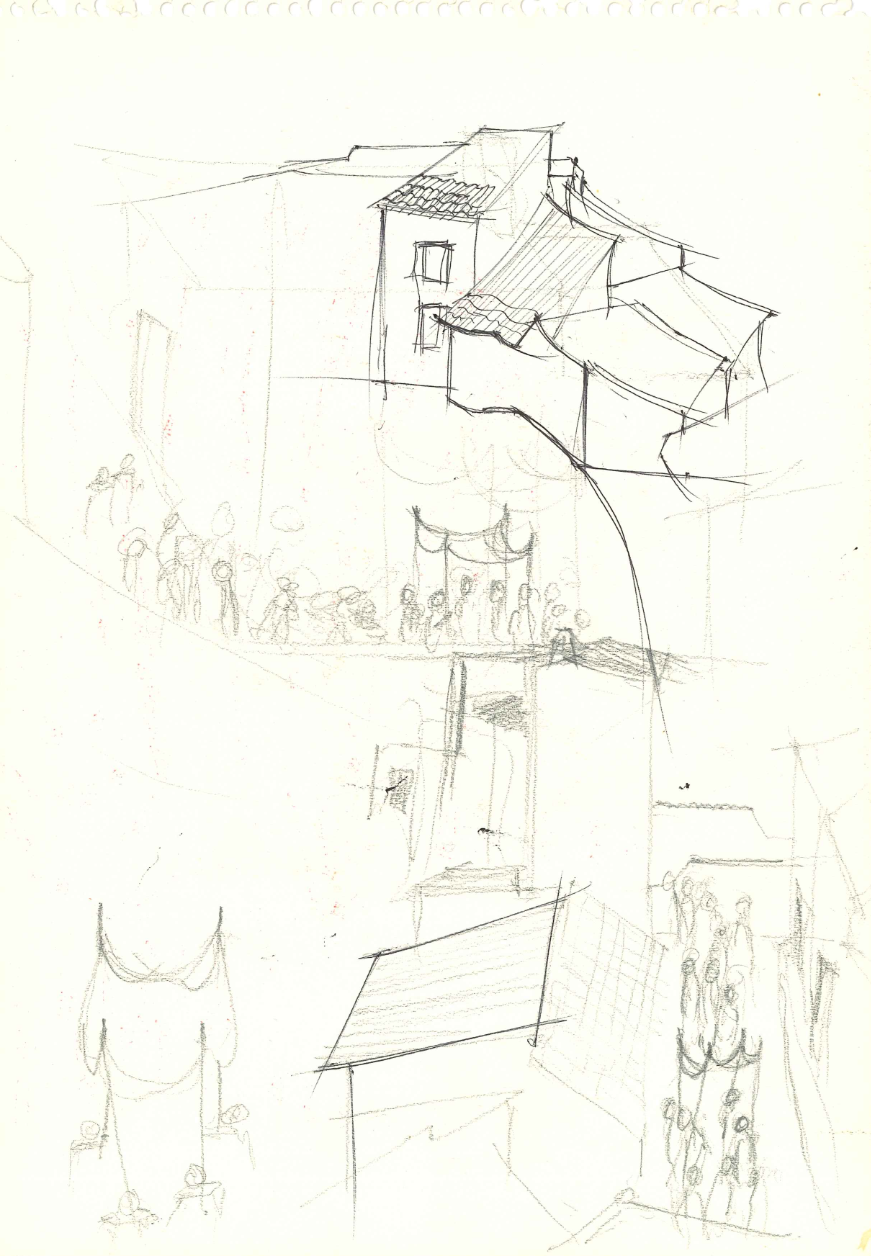
On reaching the car park, men costumed as armed Christian soldiers parleyed with men dressed as Moorish occupiers as they played out a scene from the reconquista of Andalusia.
Swords were drawn and the Moors were expelled.
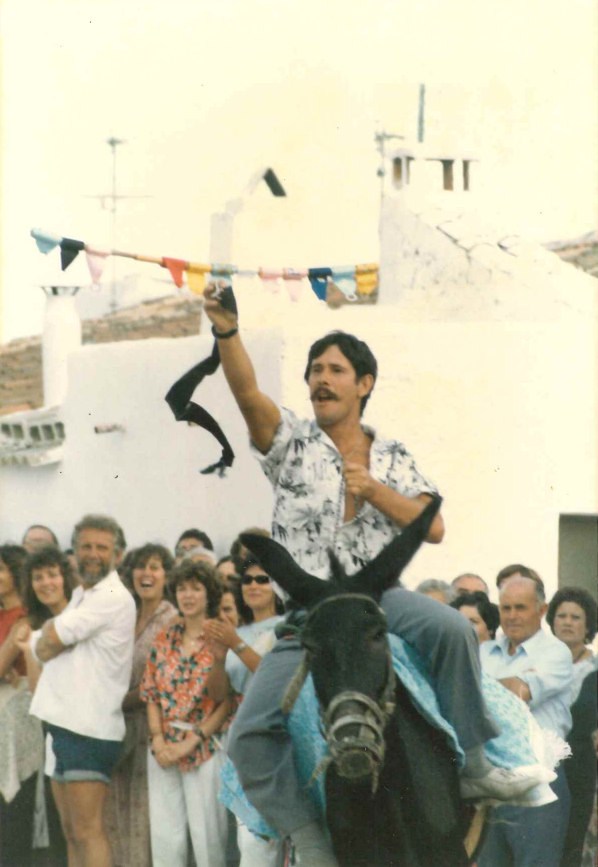
A ritual known as Carrera de Cintas followed in which men with darts in hand raced on burros across the car park to throw the darts through rings hung with a ribbons.
When the morning got too hot for drawing outdoors I stopped at the bar for a glass of café con leche and cigarette rolled from a broken down Viking then went home for a feed of boiled chicken mash and a cup of mud.
The exhibition venue changed from a room in a stone arch over a side-street in Mojácar to a big studio that overlooked Plaza Nueva. My drawings got a bit lost in all that space and light.
A couple of weeks earlier, Joan Noble, an English retiree, painter and Mojácar resident, had me sit shirtless for a head and shoulders portrait with a starry black background. I looked like a rent boy, at best a gigolo caught in the headlights of an oncoming truck.
At the opening of my show Joan propped the painting against the wall. It was vivid in its oiliness. It’s solidity made my drawings look half finished but several of them might have already been that way.
‛You’ve been Nobilised,’ honked Fritz when he saw the painting.
Mercifully, El Gigolo didn’t sell but, apart from one drawing, neither did any of my pieces.
‘We’re ahead of our time,’ said Joan. ‘People don’t understand.’
I had my doubts about that. I was more inclined to believe Jean-Marc who assured me the lack of sales was due to the success of his exhibition weeks earlier. And that the tourist season was over. But now, 41 years on (41!), I’m glad my drawings didn’t sell. I’m glad I still have them.
When Amanda phoned from Auckland on July 13, I knew what the call was about. The previous night’s TV news had reported Bédar was ground zero in the wildfires that devastated south eastern Spain. It seemed impossible wildfire would even find the town but it roared up the mountainside to Bédar. The landscape and outskirts were burned and blackened but the village was largely spared. Tragically, though, at least 12 people lost their lives when they tried to escape the inferno. The impact of the loss on Bédar’s small community is unimaginable.
Four decades have passed since Amanda and I lived for five months in the village, and most people we knew back then have probably moved on one way or another, but, still … the news was shocking. It felt personal. Amanda and I parted company a couple of years after returning to London but we both still feel connected to the village. This story is meant as no more than a diversion, at best a tribute to Bédar and its people.
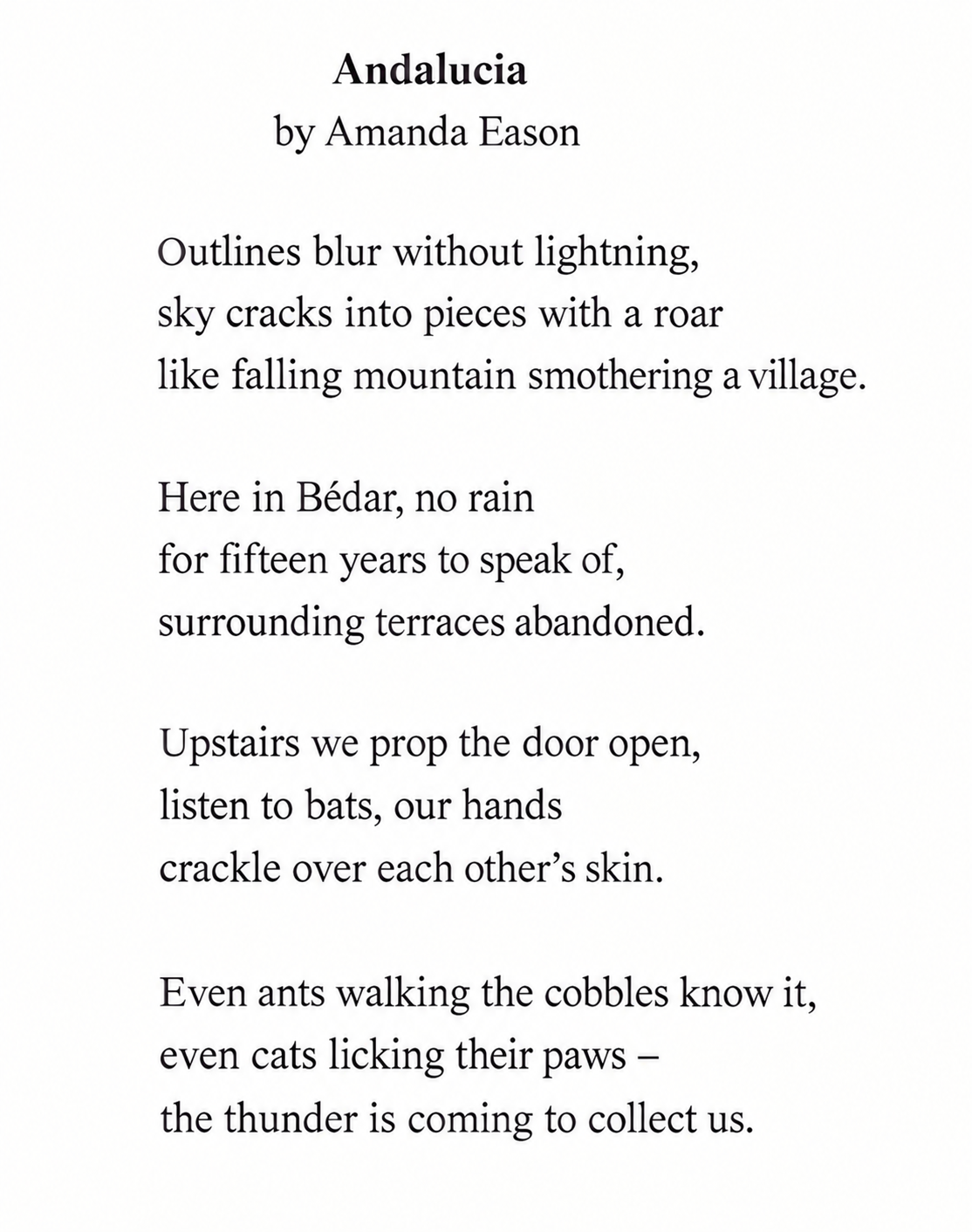
From Reasons For Loving. Turret Press/ Brick Row, 1992